What to put in writing, and what to check before you pay
A concrete driveway gets poured once. The base, the mix, the joints and the first winter decide whether it lasts, and most of that is settled before the truck leaves. This guide gives you the specs to put in the quote and the checks to make on base day, pour day and through the first winter.

If it is not written in the quote, assume it is not included.Dale Brennan · Chapter 1
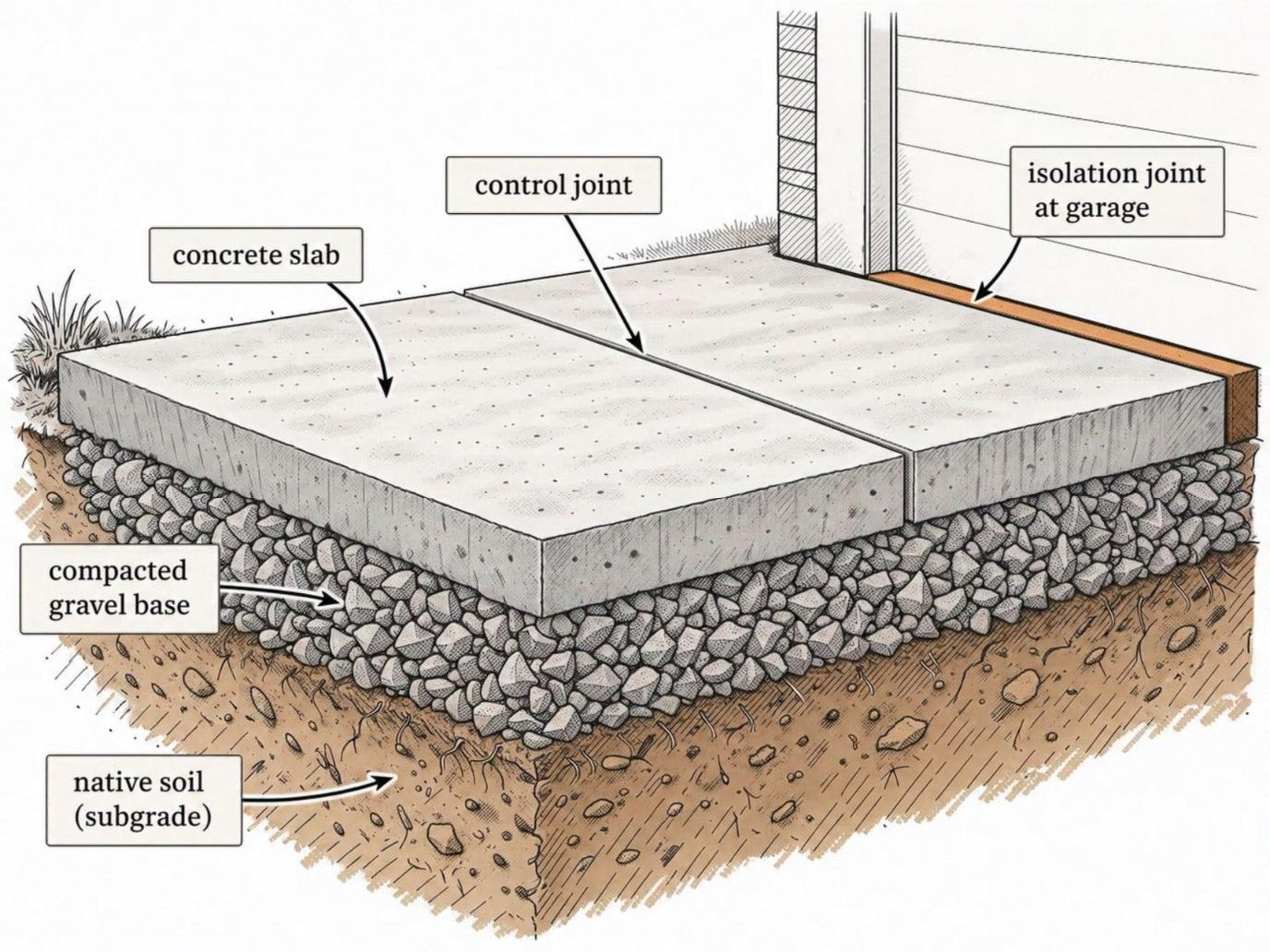
A slab cracks over a soft spot next to a firm one. Water that stands on it freezes into the surface. Salt on a young slab starts it flaking. None of that shows on the day you pay.
The Illinois Ready Mixed Concrete Association puts the base rule plainly: concrete must be cast on a prepared subgrade that is uniform in soil composition and compaction. NRMCA lists concrete without entrained air first among the causes of surface scaling.
Sources: IRMCA, Driveways · NRMCA CIP 2, Scaling (copy hosted by the Tennessee Concrete Association)
A one-line quote leaves every number that decides the slab to someone else. Chapter 1 has the full checklist, one row per spec.
One soft pocket under the slab is enough to crack a panel.
Concrete without entrained air is the first cause NRMCA lists for flaking.
Joints cut too late let the slab crack where it wants.
Deicers on a young slab start the flaking that never stops.
One decision per chapter, in the order the job happens. Each starts with the rule, ends with a checklist, and tells you when to stop and ask questions.
Written for homeowners in freeze-thaw country, built on concrete association, building department and federal guidance, every source listed at the back. Your local building code, your permit and the product label always have the final word.
| No. | Job | Stage |
|---|---|---|
| 01 | Before you sign: concrete or asphalt, and what the quote must sayThe quote checklist, one row per spec | Before you sign |
| 02 | The ground under it: subgrade and baseThe base-day walk-around | Base day |
| 03 | The slab: thickness, mix, air and reinforcementThe order sheet for the delivery ticket | Before you sign |
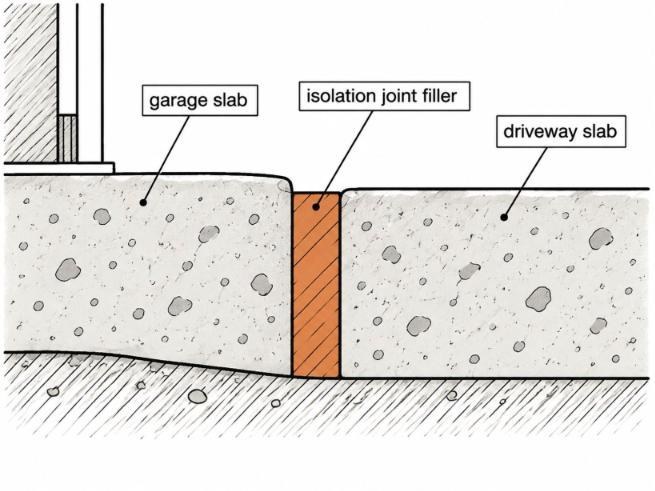
| 04 | Joints: telling the crack where to goDraw your own joint plan | Before you sign |
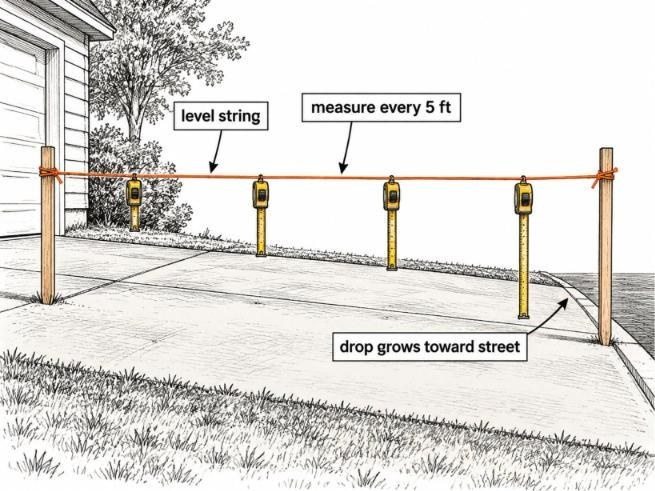
| 05 | Slope and water: where the ice comes fromThe level-and-string slope check | Base day |
| 06 | Pour day and the weatherWhat to watch at the truck, and what to refuse | Pour day |
| 07 | The first year: curing, salt and sealerThe first-winter calendar | First winter |
| 08 | Reading the damageCracks, flaking, pop-outs and sunken panels | Damage |
| 09 | Repair or replaceWhich repair fits which damage | Damage |
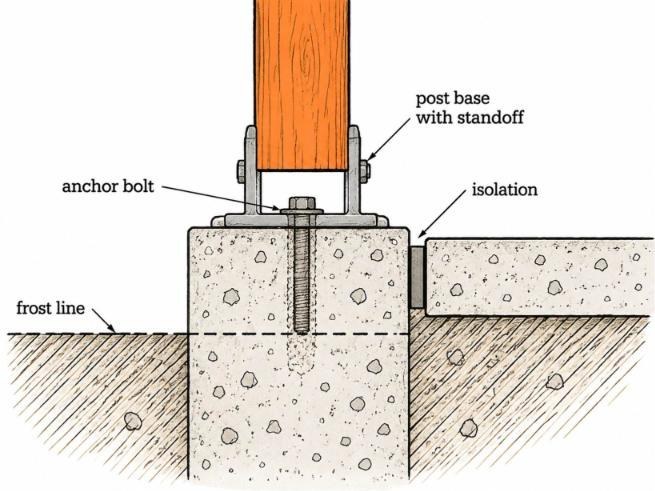
| 10 | Carport footings: piers, slab and anchorsFrost depth, anchors, isolation from the slab | Carport |
| 11 | Carport loads: snow, wind and the permitThe questions sheet, and safe snow removal | Carport |
| 12 | Stop ifEvery red line from the book on one page | Summary |


That is exactly who it is for. It helps you put the right specs in the quote and check the work at each stage before you pay. It does not teach you to pour a whole driveway yourself.
The quote, base, joint, slope and damage chapters apply anywhere. The cold-weather, deicer, frost-depth and snow-load parts are written for freeze-thaw country.
No. Codes, permits, product labels and licensed engineers have the final word. The book tells you which questions to ask them and where the local numbers come from.
It's a PDF. After checkout, Gumroad gives you the download right away and emails you a link. It works on any phone, tablet or computer, and the checklists print fine at home.
From concrete associations, building department handouts and federal guides. Every number in the book carries its source, and all sources are listed at the back.
Reply to your Gumroad receipt within 30 days of buying and you get a full refund.

Regular price $37 · Today $9.97 · One-time · PDF · instant download